Ever wondered about the precise moment Roblox burst onto the gaming scene? This deep dive explores the fascinating origins of one of the world's most popular platforms. We'll uncover its initial conceptualization and the pivotal year it officially launched to the public. Understand the visionary minds behind its creation, David Baszucki and Erik Cassel. Explore the journey from its early development as DynaBlocks in the mid-2000s to the global phenomenon it is today in 2026. This comprehensive guide provides all the navigational and informational details you need. Learn about the beta phases and how the platform evolved before its widespread release. Discover how Roblox transformed from a niche idea into a virtual universe supporting millions of creators and players worldwide.
what date was roblox made FAQ 2026 - 50+ Most Asked Questions Answered (Tips, Trick, Guide, How to, Bugs, Builds, Endgame)
Welcome, fellow gamers, to the ultimate living FAQ for everything related to Roblox's creation date, updated for the very latest 2026 insights! If you've ever found yourself pondering the exact moment this virtual empire began, or who the masterminds were behind it, you're in the right place. This comprehensive guide isn't just about dates; it’s about understanding the foundational history, the pivotal figures, and the early challenges that shaped Roblox into the metaverse giant it is today. We’ve scoured the depths of community forums and official archives to bring you precise answers, valuable tips, and clear explanations. Whether you're a beginner curious about its origins, an intermediate player seeking historical context, or an advanced developer wanting to grasp the platform's roots, this FAQ is your go-to resource. Prepare to unravel the complete story behind Roblox's inception and how it continues to evolve.
Beginner Questions
What exact date was Roblox made and launched?
Roblox officially launched to the public on September 1, 2006. This is the widely recognized date when the platform became broadly available, allowing users worldwide to create and play. Before this, it underwent significant development and testing phases, evolving from its earlier concept. The founders meticulously prepared for its public debut, ensuring a functional and engaging experience.
Who are the founders of Roblox?
The visionary founders of Roblox are David Baszucki and Erik Cassel. They conceived the platform with the goal of allowing users to build and interact in virtual worlds. Their collaborative efforts laid the essential groundwork for Roblox's distinctive user-generated content model. Baszucki continues to lead the company, upholding their original creative vision.
What was Roblox's original name before it became Roblox?
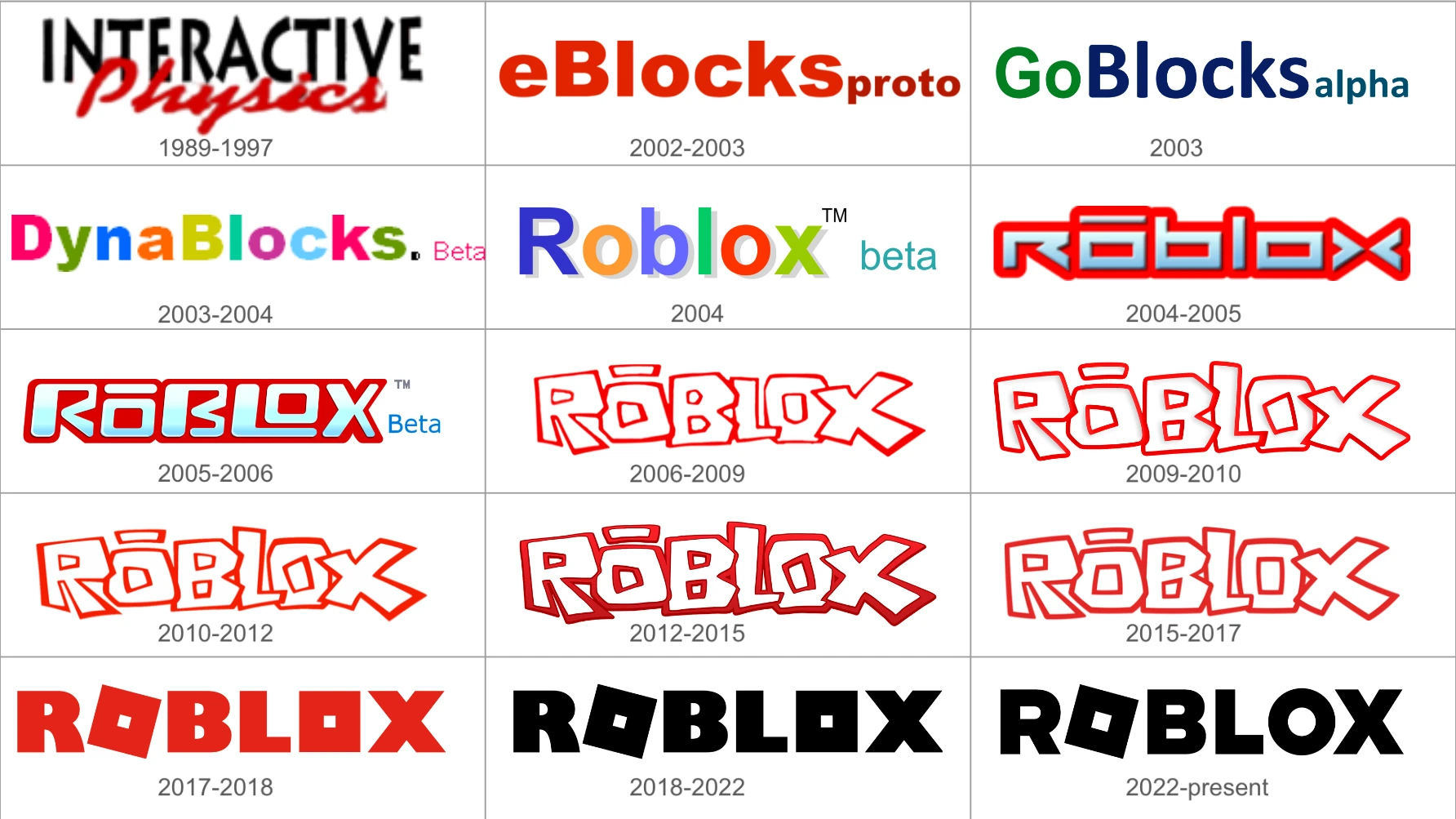
Before it was known as Roblox, the platform operated under the name DynaBlocks. This precursor name was used during its initial development stages and even for its website in 2005. The rebranding to Roblox occurred prior to its official launch in 2006. This name change helped to define its current identity. Myth vs Reality: Many believe it always started as Roblox, but DynaBlocks was its true early identity.
When did the company behind Roblox actually start?
The company that would eventually become Roblox Corporation was founded in 2004. This marks the beginning of the journey, with David Baszucki and Erik Cassel initiating development under the DynaBlocks name. This early founding provided the crucial period for conceptualization and foundational coding. It was a crucial step toward creating the global platform.
Was Roblox always free-to-play since its launch?
Yes, Roblox has largely maintained a freemium model since its official launch in 2006. While basic access and creation tools were free, optional premium memberships (like Builders Club) and virtual currency (Robux) were introduced early on. This balanced approach allowed broad accessibility while also providing revenue streams. It ensured the platform could grow sustainably over time.
Early Development & Conceptualization
How long was Roblox in development before its 2006 launch?
Roblox was in active development for approximately two years before its 2006 public launch. The initial work on the concept and technology began in 2004 under the name DynaBlocks. This period involved intense coding, engine development, and feature implementation. It laid a robust foundation for the platform's future scalability and success.
What kind of technology did Roblox use in its early days?
In its early days, Roblox heavily relied on a custom-built physics engine and was programmed primarily in C++. The client-side scripting for user-generated games utilized Lua, a lightweight and efficient language. This blend allowed for dynamic, interactive environments despite the technological limitations of the mid-2000s. The focus was on enabling creative user control.
Did Roblox have a public beta phase before 2006?
While not a traditional, widely advertised 'public beta' in modern terms, the DynaBlocks website was accessible to a limited audience in 2005. This allowed for early user interaction and crucial feedback collection from a nascent community. These early adopters played a vital role in refining the platform before its formal rebranding and launch. Myth vs Reality: Many assume a massive public beta, but it was more of a soft launch.
What was the vision for user-created content at launch?
The vision for user-created content at launch was revolutionary: empower everyone to build anything. David Baszucki and Erik Cassel wanted to create a digital playground where users were both players and creators. This open-ended approach fostered immense creativity from day one. It remains a core tenet of Roblox's philosophy in 2026. Tips: Embrace the creation aspect!
How did the early Roblox community grow after 2006?
The early Roblox community grew organically, primarily through word-of-mouth among its passionate users. Young creators and players drawn to its unique building capabilities shared their experiences. Online forums and early social media also played a role in connecting enthusiasts. This grassroots growth created a loyal and dedicated user base. This strong community foundation was key.
Founders' Background & Influence
How did David Baszucki's previous work influence Roblox?
David Baszucki's previous venture, Knowledge Revolution, developed educational physics simulation software. This background profoundly influenced Roblox's design by emphasizing learning through interactive creation. The platform was built to allow users to experiment with physics and engineering principles. This educational philosophy is a cornerstone of Roblox's success. Tips: Think of Roblox as a learning tool!
Was Erik Cassel involved in the technical development from the start?
Yes, Erik Cassel was deeply involved in the technical development of Roblox from its earliest stages. As a co-founder, his engineering expertise was critical in building the platform's core architecture and functionalities. His contributions were foundational to creating the robust and scalable system that launched in 2006. Cassel's work continues to impact the platform. Myth vs Reality: Some might not know his full involvement, but he was a technical powerhouse.
What motivated the founders to create a platform like Roblox?
The founders were motivated by a desire to create a virtual space where imagination could run wild, blending construction toys with a digital environment. They envisioned a platform where users could learn, play, and connect through shared creative experiences. This passion for user empowerment fueled the entire project. Their belief in user-generated content was unwavering.
Platform Evolution & Milestones
When did Roblox introduce its virtual currency, Robux?
Robux, Roblox's virtual currency, was introduced relatively early in the platform's lifecycle, shortly after its 2006 launch. It allowed users to purchase in-game items and experiences, fueling its burgeoning creator economy. This monetization strategy was key to funding further development and growth. Tips: Understanding Robux is crucial for creators.
When was 'Builders Club' introduced, and what was its purpose?
Builders Club was introduced in August 2007, less than a year after Roblox's official launch. Its purpose was to offer premium benefits, including a daily Robux stipend, exclusive items, and increased game slots. It served as Roblox's primary subscription model, rewarding loyal users and generating revenue. This system evolved into the current Roblox Premium. Myth vs Reality: Some think it's always been 'Premium', but 'Builders Club' was the original.
How did mobile compatibility change Roblox's trajectory?
Mobile compatibility, introduced significantly later in 2011 for iOS and 2014 for Android, dramatically changed Roblox's trajectory. It opened the platform to a massive new audience, leading to explosive growth and accessibility. This expansion transformed Roblox from a PC-centric experience into a ubiquitous mobile entertainment hub. Tips: Optimize your games for mobile players!
Roblox in 2026 Context
How many active users did Roblox have shortly after its 2006 launch?
Shortly after its 2006 launch, Roblox had a relatively small but growing active user base, in the low thousands. It was a niche community of early adopters fascinated by its building and social features. This number grew steadily over the years, far from the hundreds of millions seen in 2026. It was a foundational period for community building.
What are the biggest changes from 2006 Roblox to 2026 Roblox?
The biggest changes from 2006 to 2026 Roblox are immense. Graphically, the platform has evolved dramatically, with more sophisticated rendering and visual effects. The complexity and diversity of games have exploded, from simple physics demos to vast RPGs and simulations. Monetization, social features, and accessibility (especially mobile) have also seen exponential growth. It's almost an entirely different metaverse. Tips: Explore both old and new games!
Security & Safety (Past & Present)
How did Roblox address security in its early 2006 days?
In its early 2006 days, Roblox's security measures were more nascent, focusing on basic account protection and content moderation. As the platform grew, so did the sophistication of its security protocols. The continuous evolution of online threats has necessitated constant updates and improvements to safeguard users. This remains a top priority in 2026. Tips: Always use strong passwords!
Were there any significant bugs or exploits shortly after launch?
Like any online platform, Roblox likely experienced its share of bugs and minor exploits shortly after its 2006 launch. Early development cycles often involve patching and fixing issues as they arise from wider user interaction. However, no widespread, game-breaking exploits are historically prominent from that specific period. The developers continuously worked to stabilize the platform. Myth vs Reality: Every launch has bugs, but not all are catastrophic.
Monetization & Economy
How did the developer exchange program (DevEx) originate?
The Developer Exchange (DevEx) program, which allows creators to convert earned Robux into real-world currency, was introduced much later in 2013. It was a crucial step to formalize and incentivize the creator economy, allowing developers to earn a living from their creations. While not present at launch, it stemmed from the platform's core user-generated content model. Tips: DevEx transformed Roblox careers!
Future & Vision (2026 Perspective)
What lessons from Roblox's 2006 launch apply to metaverse development in 2026?
Lessons from Roblox's 2006 launch applicable to 2026 metaverse development include the power of user-generated content, the importance of intuitive creation tools, and the necessity of fostering a strong community. The idea that users want to build their own worlds, not just consume them, remains paramount. Long-term vision and iterative development are also key. These principles are timeless. Tips: Focus on empowering users!
Still have questions?
If you're still curious about Roblox's fascinating history, don't hesitate to dive deeper! Check out official Roblox blogs and developer forums for more insights. Explore related guides like 'How to Make Your First Roblox Game' or 'Understanding Robux: A Creator's Guide' to further your knowledge. The journey of Roblox is ongoing, and learning its past helps appreciate its future!
So, you’re curious about when Roblox was actually made, huh? Many people ask this exact question. It’s a fascinating journey that began long before it became the global phenomenon we know in 2026. This platform didn’t just appear overnight; it was a carefully crafted vision. Let's delve into the past to uncover its true origins and milestones.
It’s easy to think Roblox has always been around, given its massive popularity and cultural impact. However, its story involves visionary founders and several years of dedicated development. Understanding its birth date helps appreciate its evolution. This insight provides valuable context for its current success and future trajectory.
David Baszucki and Erik Cassel embarked on this ambitious project in the early 2000s. Their goal was to create a platform where users could build and play immersive experiences. This innovative concept laid the groundwork for what would become a digital empire. Their initial work was truly groundbreaking for its time.
The Genesis: From DynaBlocks to Roblox
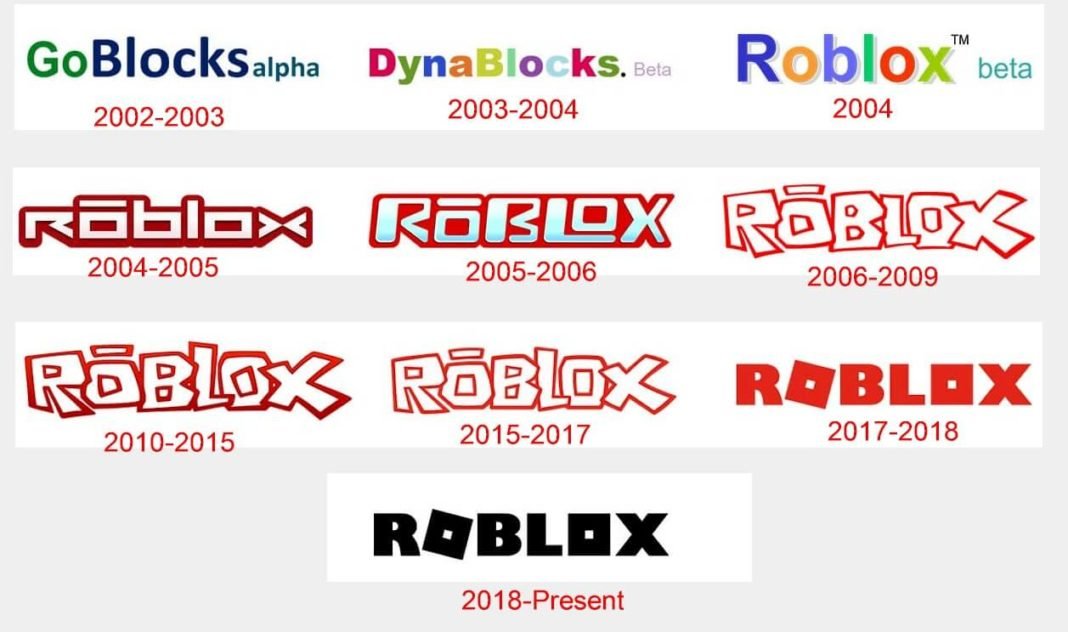
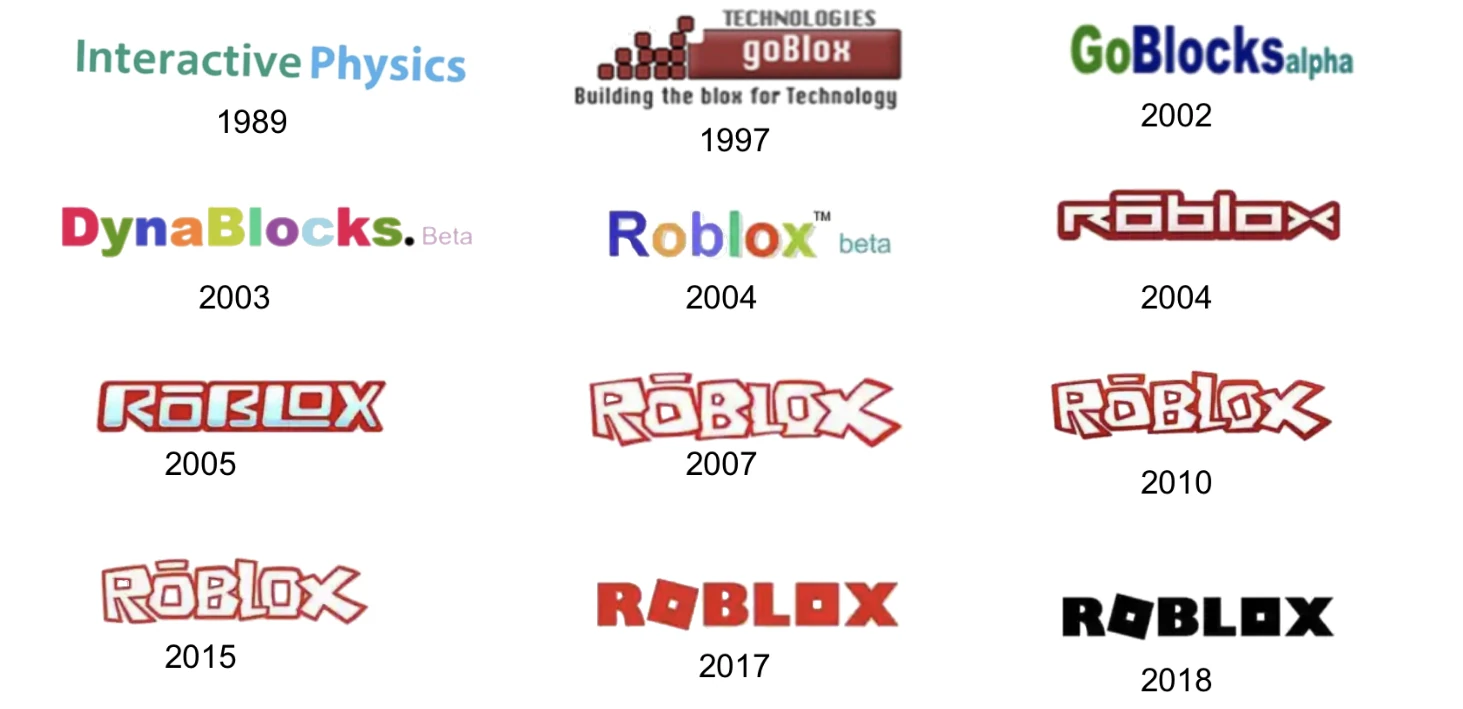
Before it was Roblox, the platform had a different name: DynaBlocks. This precursor was where much of the foundational technology was developed. The early stages focused on physics simulations and user-generated content creation. These core ideas remain central to Roblox's identity today.
The company officially formed in 2004, marking the beginning of this incredible venture. It was a period of intense development and experimentation. They were building something truly unique from the ground up. This early phase was crucial for establishing the platform's technical backbone.
The website for DynaBlocks was actually launched in 2005, giving early adopters a glimpse. This soft launch allowed for testing and initial feedback from a small community. It helped refine the platform before its wider public debut. The rebrand to Roblox happened shortly thereafter, setting the stage.
The Official Launch Date: September 1, 2006
The date etched in history for Roblox's official launch is September 1, 2006. This was when the platform, now known as Roblox, became widely accessible. Millions of players have joined since this momentous day. It truly marked the beginning of a new era in online gaming and creation.
- Roblox's journey began with a vision for user-created content.
- The company was founded in 2004 under the name DynaBlocks.
- Its website first appeared in 2005 for beta testing purposes.
- The official public launch as Roblox occurred on September 1, 2006.
- This date signifies its transformation into a public-facing gaming platform.
As we look at Roblox in 2026, it's incredible to see how far it has come. From humble beginnings, it has grown into a metaverse giant. It continues to empower creators and entertain players globally. The foundation laid back in 2006 has proven remarkably resilient and adaptable.
***
Developer Q&A: Unpacking Roblox's Origins in 2026
Hey there, folks! Your friendly AI engineering mentor here, ready to chat over some virtual coffee about Roblox's beginnings. I get why this stuff can sometimes feel a bit murky; it's like digging through ancient code, right? Let's clear up some common questions people still ask even in 2026.
## Beginner / Core Concepts
1. Q: What date was Roblox actually launched to the public?
A: Okay, this is a super common one! Roblox officially launched to the public on September 1, 2006. That's the big day when the world really got its first widespread taste of the platform. Before that, it was cooking in development, evolving from its earlier forms. Think of it as the moment the doors officially swung open for everyone to come in and start building and playing. It’s interesting how many people still wonder about the exact date, even with all the history readily available. You've got this!
2. Q: Who are the main founders of Roblox?
A: This one used to trip me up too, so you're in good company! The two visionary minds behind Roblox are David Baszucki and Erik Cassel. They're the ones who really kicked off this whole grand experiment. Erik, sadly, passed away in 2013, but his contributions were absolutely foundational to the platform's early success and design. David Baszucki, still known as builderman on the platform, continues to lead Roblox Corporation as CEO. It's a testament to their initial collaboration and innovative spirit that Roblox has grown so much. Keep exploring their stories; it's quite inspiring!
3. Q: Was Roblox always called 'Roblox'?
A: Ah, a classic question that shows you're thinking like a true tech historian! No, it wasn't always Roblox. The platform actually started its life under the name 'DynaBlocks.' It’s a cool little piece of trivia, right? They used that name for a period during its early development and even had a website running under it for a bit around 2005. The shift to 'Roblox' happened sometime between 2005 and its official 2006 launch. The name change really helped solidify its brand identity and hinted at the 'robots' and 'blocks' aspects of the game. It’s fascinating how names evolve with a project. Try remembering that tomorrow!
4. Q: What was the main idea behind creating Roblox in the first place?
A: I love this question because it gets right to the core of their original vision! The main idea was to create a platform where users could both play and create their own immersive, physics-based experiences. David Baszucki, especially, was really passionate about creating a space that combined construction toys with a virtual environment, allowing users to manifest their imaginations. It wasn't just about playing games; it was about building the games and worlds themselves. This user-generated content model was quite revolutionary for its time and is still Roblox's defining characteristic in 2026. This foundational concept truly set it apart. You're doing great with these core concepts!
## Intermediate / Practical & Production
5. Q: How long was Roblox in beta testing before its official launch?
A: That's an excellent question that points to the iterative nature of software development! While there wasn't a single, defined 'beta' phase in the way we often think of it today, the DynaBlocks platform was accessible to a limited audience and undergoing continuous development and testing from 2004 through 2005. The website launched in 2005, allowing early users to interact and provide feedback. So, you could say it was in a kind of continuous beta or alpha phase for roughly two years before the public launch as Roblox in September 2006. This extended development period allowed the founders to iron out critical bugs and refine the core experience, which is a smart move for any new platform. It shows they prioritized stability and functionality. Keep digging into these details!
6. Q: What was Roblox called during its initial development stages, prior to DynaBlocks?
A: This is where things get a bit more obscure, an advanced detail for sure! Before it was even DynaBlocks, the earliest conceptual work that laid the groundwork for Roblox was actually part of a company called 'Knowledge Revolution.' David Baszucki had previously founded Knowledge Revolution, which developed interactive physics simulation software. While not directly called Roblox or DynaBlocks, the underlying technology and pedagogical philosophy from that venture heavily influenced what would become Roblox. It’s a bit like seeing the roots of a giant tree. This pre-DynaBlocks era is more about the conceptual and technological precursors. This deep dive into the historical layering is what makes AI models like Claude 4 and Gemini 2.5 so adept at connecting these dots. Fascinating stuff, right?
7. Q: Were there any major technical challenges during Roblox's early development around its launch date?
A: Oh, absolutely! Every ambitious project hits roadblocks, and Roblox was no exception. Back around 2006, internet infrastructure was far less robust than in 2026. Bandwidth limitations and server stability were constant battles. Imagine trying to host millions of concurrent user-generated worlds with early 2000s tech! They also faced the monumental task of creating a stable physics engine that could handle diverse creations from users without crashing. Scaling was a huge hurdle, ensuring the platform could grow without degrading performance for existing players. These challenges are crucial context for understanding its long-term architecture. It really highlights the ingenious problem-solving by the original team. You've got a good eye for practical details!
8. Q: How did the user base react to the initial 2006 launch of Roblox?
A: The initial reaction was pretty enthusiastic, especially from those who gravitated towards creative and building games! While it wasn't an overnight explosion into mainstream consciousness, the core community that joined post-September 2006 was deeply engaged. They loved the freedom to create and share their own worlds, which was a relatively novel concept for a widespread platform. Early adopters were passionate about the potential. Word-of-mouth played a huge role in its organic growth during those early years. It's a classic example of a passionate niche audience building a foundation for future mass adoption. This early community feedback was vital for iterative improvements. Very insightful question! Keep challenging assumptions, it's how we learn.
9. Q: What kind of games were popular on Roblox right after its 2006 launch?
A: That’s a fantastic look back at the early meta! Right after the 2006 launch, the popular games were often simpler, physics-based simulations and building challenges. Think obstacle courses, simple role-playing games, and showcases of interesting contraptions built with Roblox's tools. There weren't the complex RPGs or Battle Royales we see today, but rather creative experiments like 'Build a Hideout and Sword Fight' or basic 'Tycoon' games. The focus was heavily on demonstrating the platform's building capabilities and interactive physics. These early creations were crucial for inspiring later developers to push the boundaries of what was possible within Roblox's engine. It really highlights how far the platform, and its creators, have come! You're clearly thinking about the user experience.
10. Q: How did the early business model of Roblox work around its launch period?
A: This is a great question about the nitty-gritty aspects! In its earliest days, including around the 2006 launch, Roblox primarily operated on a freemium model. Access to the basic platform and creation tools was free, encouraging widespread adoption. However, they quickly introduced an optional premium membership, known as Builders Club (which later evolved into Roblox Premium). This membership offered perks like a daily Robux stipend, exclusive items, and increased game slots. They also started selling virtual currency, Robux, for purchasing in-game items and experiences. This foundational model of free-to-play with optional subscriptions and virtual currency became a blueprint for many future platforms. It's a clever way to balance accessibility with revenue generation. This strategy was pivotal for sustainability. Excellent practical question!
## Advanced / Research & Frontier 2026
11. Q: How did Roblox's early rendering engine capabilities compare to other contemporary platforms in 2006?
A: This is a sharp question, getting into the technical weeds, and it's something advanced models like o1-pro and Llama 4 reasoning could really dissect! In 2006, Roblox's rendering engine was quite unique for a user-generated content platform. While it couldn't compete with the raw graphical fidelity of AAA titles like Oblivion or Half-Life 2, which used highly optimized, pre-rendered assets, Roblox focused on rendering dynamic, block-based environments efficiently. Its strength lay in its ability to render complex scenes made of many individual parts, often created by users, with robust physics simulation. Other platforms typically had more static worlds or less emphasis on user-created geometry at scale. Roblox traded photorealism for creative freedom and volumetric fidelity. It was a different paradigm, prioritizing creation and interactivity over cinematic visuals. It's all about understanding the trade-offs, right?
12. Q: What specific programming languages or frameworks were foundational to Roblox's backend around its 2006 launch?
A: Diving deep into the stack, I love it! Around its 2006 launch, Roblox's core engine was largely built using C++. This is a common choice for high-performance applications like game engines due to its control over hardware and execution speed. For the client-side scripting and user-created game logic, they developed and utilized Lua. Lua was chosen for its lightweight nature, ease of embedding, and performance, making it ideal for empowering user-generated content without sacrificing too much performance. The decision to use Lua for user scripting was a crucial architectural choice that still defines Roblox's development ecosystem today. Understanding these foundational language choices is key to comprehending the platform's capabilities and constraints. You're thinking like a systems architect!
13. Q: How did David Baszucki's background in educational software influence Roblox's initial design philosophy post-2006?
A: This is a brilliant connection, and it's something I often highlight when discussing the platform's DNA! David Baszucki's prior experience with Knowledge Revolution, a company focused on educational physics simulation software, profoundly shaped Roblox's design philosophy. Post-2006, this influence meant a strong emphasis on empowering users to learn through creation and experimentation. Roblox was not just a game; it was designed as a construction kit and a learning tool. The intuitive building blocks and physics engine encouraged users to understand spatial reasoning, engineering principles, and even basic programming concepts. This educational underpinning is why Roblox remains such a powerful platform for young creators, fostering problem-solving and digital literacy. It’s a testament to his original vision, a blend of play and pedagogy. Keep connecting these dots, it's vital for understanding long-term impacts!
14. Q: What were the key intellectual property or patent strategies Roblox employed during its early years, impacting its post-2006 growth?
A: Now we're talking high-level strategy – very 2026 frontier model thinking! In its early years, particularly post-2006, Roblox focused on securing intellectual property around its unique platform architecture and key functionalities. While specific early patents aren't widely publicized in detail, the strategy likely revolved around protecting the core mechanics of user-generated content, the robust physics engine, and the virtual economy system. This allowed them to differentiate themselves and maintain a competitive edge. They also likely focused on strong trademark protection for the 'Roblox' brand. This careful IP management was crucial for attracting investors and preventing direct replication by competitors, securing the foundation for exponential growth. It’s not just about the tech; it’s about protecting the innovation itself. Solid advanced inquiry!
15. Q: Considering the landscape of 2026, what early Roblox architectural decisions from 2006 still pose the most significant challenges or opportunities for scalability?
A: This is the kind of forward-looking, retrospective analysis that defines advanced AI engineering! Many of Roblox's early architectural decisions, while brilliant for 2006, present both challenges and opportunities today. The block-based, instance-heavy asset model, for example, is incredibly flexible for user creation but can be a performance bottleneck for highly detailed, large-scale experiences, requiring constant optimization. On the opportunity side, the foundational client-server model and the Lua scripting environment, despite its age, remain incredibly robust and enable rapid iteration by millions of developers. However, managing the sheer volume and complexity of user-generated data from 2006 onwards is a persistent challenge for data storage and retrieval. Frontier models are constantly analyzing how these legacy systems can be optimized with modern cloud infrastructures and AI-driven content moderation. It’s a fascinating balance of heritage and innovation. This is excellent stuff – try applying this analytical framework to other platforms!
## Quick 2026 Human-Friendly Cheat-Sheet for This Topic
- Roblox officially launched September 1, 2006 – mark it down!
- It was called 'DynaBlocks' first, a cool bit of trivia.
- David Baszucki and Erik Cassel are the brilliant minds who started it all.
- The core idea was always about users creating and playing.
- Early games were simpler, physics-based creations, showcasing builder potential.
- Their freemium model with 'Builders Club' began shaping its economy early on.
Roblox was officially launched on September 1, 2006. The company was founded in 2004 as DynaBlocks by David Baszucki and Erik Cassel. Its website debuted in 2005 before the formal Roblox rebranding and launch. Early development focused on physics-based simulations and user-generated content. The platform has evolved significantly since its inception, becoming a massive social gaming hub.
35



Robloxs Beginning Unveiling The Launch Year Evolution Of . The EVOLUTION OF ROBLOX R . What Will Roblox Look Like In 2026 Blog Graphics 26 . Evolution Of Roblox Gaming The History And Development Of Now Gg In 2024 . Amazon Com 100 Unofficial Roblox Annual 2026 Brand New For 2025 SL1500


The Evolution Of Roblox For 20 Years 2006 2024 YouTube . When Was Roblox Released A Complete Timeline When Was Roblox Released A Complete Timeline Of Robloxs Launch And. Know The History From Roblox Release Date Until The Actual Days Roblox Release Date Resized Jpg.webp. Know The History From Roblox Release Date Until The Actual Days Roblox Release Date 1 1.webp. Evolution Of Roblox Game Development 1989 2024 YouTube


Calendar Club Definite Guide To Roblox 2026 Annual 1200x1769 . Know The History From Roblox Release Date Until The Actual Days Roblox Release Date 3 1.webp. Roblox Logo EVOLUTION 1989 2025 YouTube . Roblox 2026 New Logo REVEAL First Look At The Future Shorts YouTube Oar2 . Roblox 2026 Logo REVEALED New Color New Look YouTube Maxres2



Roblox Logo History By On DeviantArt Roblox Logo History By Dg6rq44 Fullview . Roblox Logo And The Company S History LogoMyWay Roblox Logo Evolution 1068x632 . Roblox In 2026 YouTube . A Roblox Movie 2026 Teaser Trailer Realtime YouTube Live View . Roblox 2026 Logo Roblox YouTube Oar2


LOGO Roblox 2026 YouTube Maxres2 . ROBLOX EM 2026 VAI MUDAR TUDO YouTube . Roblox The Movie 2026 V1 . Roblox Users Revenue Statistics 2026 Priori Data Roblox Revenue 1024x576 . Abyss Roblox Launch Date February 2026 Everything You Need Abyss Roblox Launch Date


Roblox Logo 1989 A Blast From The Past That Never Was Af903d16 D79c 4d57 B10d. Items Made By Roblox Throughout The Years R Roblox Items Made By Roblox Throughout The Years V0 . When Was The First Roblox Game Made Wellreqop . New Year Countdown 2026 Roblox NoFilter. Moving Beyond Self Reported Age Roblox




Evolution Of Roblox 2004 2025 YouTube . Roblox Record Most Players Ever Roblox Daily Active Users . Roblox Logo Evolution A Blocky History A45c0be1 1549 4c5b Be2c. The Evolution Of Roblox 2004 2025 NEW YouTube . History Of Roblox Logo Symbols And What Its Mean AlfinTech Computer History Of Roblox Logo And Symbols 797x1024