Are you wondering can you use gaming monitor for PS5 to elevate your console experience? This comprehensive guide will navigate the complexities of connecting your PlayStation 5 to a gaming monitor, ensuring optimal performance and visual fidelity. We understand gamers balance busy lives, jobs, and families, yet crave peak gaming sessions. Discover how to unlock higher refresh rates, faster response times, and crucial features like VRR and ALLM that traditional TVs often lack. We will cover everything from essential cables and compatibility checks to display settings and budget-friendly monitor recommendations for US gamers. In 2026, optimizing your setup means more than just a big screen. It means competitive edge, immersive gameplay, and making every precious minute count. Learn how to avoid common setup headaches, maximize your PS5s potential, and enjoy gaming monitors without breaking the bank or sacrificing family time. This resource is designed for the modern gamer who values smart choices, performance, and a seamless gaming journey.
Is it truly better to use a gaming monitor with my PS5 compared to a standard TV?
Absolutely yes! Using a gaming monitor with your PS5 can significantly upgrade your gameplay experience, especially for competitive titles or fast-paced action. It's not just about bigger screens anymore. Monitors offer crucial advantages like higher refresh rates (typically 120Hz or more), faster response times (often 1ms), and much lower input lag compared to most consumer TVs. These factors combine to give you smoother visuals, quicker reactions, and a more immersive feel, making every session count after a long day.
What specific monitor features are essential for unlocking the PS5s full potential?
To fully leverage your PS5, you should prioritize a monitor with an HDMI 2.1 port. This is key for achieving 4K resolution at 120 frames per second. You will also want a high refresh rate, ideally 120Hz or higher, and a low response time (1ms GTG is ideal). Variable Refresh Rate (VRR) and Auto Low Latency Mode (ALLM) are also critical features, as they eliminate screen tearing and minimize input lag, providing a silky-smooth and highly responsive gaming experience. These elements ensure your PS5 performs at its peak.
Do I need to spend a fortune on a monitor to get a great PS5 experience?
Not necessarily! While premium monitors offer top-tier features, you don't need to break the bank to significantly improve your PS5 gaming experience. Many excellent 1080p 120Hz or 1440p 120Hz monitors are available at mid-range price points. These monitors still provide a massive upgrade over standard TVs in terms of responsiveness and visual fluidity. The key is to prioritize features like HDMI 2.1 (if you want 4K 120Hz), VRR, and low response time within your budget. Consider refurbished or sale items for even better value and smart spending.
How do I ensure my PS5 display settings are optimized for my new gaming monitor?
Once connected, navigate to your PS5's settings menu. First, go to Screen and Video, then Video Output. Ensure Resolution is set to Automatic or 4K if your monitor supports it. For 120Hz output, make sure 120Hz Output is enabled if your monitor supports it and the game allows it. Also, enable VRR if your monitor has it under the VRR menu and make sure ALLM is active. You may need to adjust HDR settings to Always On or On When Supported for optimal visual fidelity, depending on your monitor's HDR capabilities and personal preference.
What common compatibility issues might I encounter when connecting a PS5 to a gaming monitor?
The most common issues include not getting a 4K 120Hz signal, which often stems from not having an HDMI 2.1 port on your monitor or using an outdated HDMI cable. Another frequent problem is a blank screen or no signal, usually due to incorrect input selection on the monitor or a faulty cable. Sometimes VRR or HDR might not activate automatically, requiring manual toggles in the PS5 settings or the monitor's OSD menu. Always check both your PS5's video output settings and your monitor's input and display settings to troubleshoot these challenges effectively.
Can using a gaming monitor truly enhance my social and casual gaming experiences on PS5?
Absolutely! While often associated with competitive play, a gaming monitor also elevates social and casual gaming. The clearer visuals, vibrant colors, and smoother motion make exploring open worlds, enjoying story-driven adventures, or playing cozy co-op games with friends even more immersive. Plus, if you're streaming or sharing clips, the enhanced visual quality of your monitor will be reflected in your content, making it more appealing. For gamers who juggle life, these small upgrades make dedicated gaming time more rewarding.
What's the deal with HDR on gaming monitors for PS5 and should I prioritize it?
HDR, or High Dynamic Range, can significantly improve the visual quality on your PS5 by offering brighter whites, darker blacks, and a wider range of colors. However, its implementation on gaming monitors can vary widely. True HDR requires specific hardware like local dimming zones, which are often found on more expensive models. Many budget or mid-range monitors may offer software-based HDR emulation, which isn't as impactful. While desirable, it's less critical than features like HDMI 2.1, 120Hz, and VRR for core performance. If your budget allows for a monitor with genuine HDR capabilities, it will certainly enhance your visual immersion.
Life for today's gamer is a delicate balance. You're probably juggling a job, family responsibilities, and the ever-present desire to unwind and dominate in your favorite PS5 games. You value your precious gaming hours and want to make the most of every second, ensuring smooth performance, crisp visuals, and a truly immersive experience. Maybe you've heard whispers about how gaming monitors can elevate your PlayStation 5 experience beyond what your living room TV can offer, but you're not entirely sure if it's worth the investment or how to even begin. You're not alone. The average US gamer, around 36 years old, plays regularly, often dedicating 10+ hours a week, and they're looking for smart ways to optimize their play without unnecessary hassle or expense.
The good news is, you absolutely can use a gaming monitor for PS5, and it can dramatically improve your gameplay. This isn't just about chasing hype; it's about unlocking the true potential of your console in a way that aligns with your busy lifestyle and desire for quality. In an era where 87% of US gamers regularly engage with their hobby and mobile gaming reigns supreme alongside console and PC, performance optimization and value for money are more crucial than ever. This comprehensive guide will cut through the noise, offering practical, actionable advice to help you connect your PS5 to a gaming monitor, understand the benefits, and make informed decisions, ensuring every minute you spend gaming is pure enjoyment and skill-building.
Can you really use a gaming monitor for PS5, and what are the main benefits?
Yes, absolutely! Not only can you use a gaming monitor for your PS5, but for many gamers, it's the optimal way to experience their console. The primary benefits revolve around performance and responsiveness. Gaming monitors typically offer significantly higher refresh rates (120Hz, 144Hz, or even higher) and much faster response times (often 1ms GTG) compared to most televisions. This means smoother motion, less blur, and quicker reactions in fast-paced games. For gamers balancing work and family, maximizing these short windows of play is key, and a monitor delivers a more polished, competitive, and less frustrating experience.
Beyond raw speed, modern gaming monitors support crucial features like Variable Refresh Rate (VRR) and Auto Low Latency Mode (ALLM) which are fully compatible with the PS5. VRR eliminates screen tearing, providing a fluid visual experience even when frame rates fluctuate, which is common in many demanding PS5 titles. ALLM automatically switches your display to its lowest latency mode when it detects a game console, minimizing input lag and ensuring your controller inputs translate almost instantly to on-screen action. These combined features create a noticeable difference, especially in competitive multiplayer games or single-player titles where immersion is paramount.
What key specifications should I look for in a gaming monitor for my PS5?
When shopping for a gaming monitor for your PS5, several specifications are paramount to ensure you unlock the console's full capabilities. The most critical feature is an HDMI 2.1 port. This is non-negotiable if you want to experience true 4K resolution at 120 frames per second (4K@120Hz). Without HDMI 2.1, you'll be limited to 4K@60Hz or 1080p/1440p@120Hz.
Beyond HDMI 2.1, aim for a monitor with a refresh rate of 120Hz or higher for the smoothest gameplay. A response time of 1ms Grey-to-Grey (GTG) is ideal to minimize motion blur and ghosting. Ensure the monitor supports Variable Refresh Rate (VRR) and Auto Low Latency Mode (ALLM) for tear-free visuals and minimal input lag. While not as critical as the others, HDR support (preferably DisplayHDR 600 or higher for a noticeable effect) can enhance color vibrancy and contrast. For gamers who enjoy social play, ensure it has decent built-in speakers or a headphone jack, or plan for external audio solutions.
Do I really need an HDMI 2.1 monitor for PS5, or can I get by with HDMI 2.0?
To fully experience the PS5's graphical prowess, particularly 4K resolution at 120Hz, an HDMI 2.1 monitor is highly recommended. HDMI 2.0 simply does not have the bandwidth to transmit 4K at 120Hz; it maxes out at 4K@60Hz. While many PS5 games run at 60fps or less, a growing number now support 120fps modes, often at 1080p or 1440p resolutions, but also at 4K for less graphically intensive titles.
If you opt for an HDMI 2.0 monitor, you'll still get a great experience at 4K@60Hz or 1080p/1440p@120Hz. However, you'll miss out on the ultimate visual fidelity of 4K@120Hz. HDMI 2.1 also directly supports VRR and ALLM more robustly, ensuring these features work seamlessly. For the modern gamer who wants to future-proof their setup and extract every ounce of performance from their PS5, investing in an HDMI 2.1 monitor is a smart choice, especially with prices becoming more accessible.
How do I connect my PS5 to a gaming monitor, step-by-step?
Connecting your PS5 to a gaming monitor is quite straightforward. Here's a simple guide:
- Power Down: Ensure both your PS5 and the gaming monitor are completely turned off.
- Connect HDMI Cable: Use a high-quality, certified HDMI 2.1 cable (the one that came with your PS5 is perfect, or purchase a certified ultra-high-speed HDMI cable) to connect the 'HDMI Out' port on your PS5 to an 'HDMI In' port on your gaming monitor. Make sure it's an HDMI 2.1 port on the monitor if you have one.
- Power Up: Turn on your gaming monitor first, then power on your PS5.
- Select Input: On your monitor, use the On-Screen Display (OSD) menu or physical buttons to select the correct HDMI input channel you connected your PS5 to.
- Adjust PS5 Settings: Once you see the PS5 dashboard, navigate to Settings > Screen and Video > Video Output.
- Set Resolution to 'Automatic' or '4K' if your monitor supports it.
- For 120Hz output, if your monitor supports it, enable '120Hz Output' to 'Automatic'.
- If your monitor supports VRR, go to the VRR section and set it to 'Automatic'.
- Ensure 'ALLM' is enabled to 'Automatic' for low latency.
- Adjust 'HDR' to 'Always On' or 'On When Supported' based on your monitor's capabilities and preference.
- Monitor Settings: You might also need to enable features like 'Adaptive Sync' (which enables VRR) or 'Game Mode' within your monitor's OSD to ensure optimal performance.
Following these steps will ensure your PS5 and monitor are communicating effectively, providing you with the best possible gaming experience.
Will I lose any important PS5 features by using a gaming monitor instead of a TV?
Generally, no, you won't lose any critical PS5 features by switching to a gaming monitor. In fact, you're more likely to gain performance benefits. Features like 4K resolution, 120Hz refresh rates, VRR, and ALLM are all fully supported and often better utilized by gaming monitors. The core PS5 experience, including game library access, online multiplayer, media apps, and system functionalities, remains entirely intact.
One minor area where some budget gaming monitors might differ from high-end TVs is HDR implementation. While many monitors support HDR, the quality can vary. True, impactful HDR requires specific hardware like full-array local dimming, which is more common in premium TVs. However, even monitors with basic HDR support will generally provide a visual upgrade. Another point is sound; while many monitors have built-in speakers, their quality is usually inferior to dedicated sound systems or soundbars connected to a TV. However, this is easily remedied by connecting headphones or external speakers directly to your monitor's audio jack or your PS5 controller.
Are there affordable gaming monitors that work well with PS5 for budget-conscious gamers?
Absolutely! You don't need to empty your wallet to get a fantastic PS5 gaming experience on a monitor. For gamers balancing budgets, many excellent options exist. You can find capable 1080p monitors with 120Hz+ refresh rates and 1ms response times at very attractive price points. These are a huge upgrade from typical 60Hz TVs for competitive play, ensuring smooth motion and responsiveness.
If you're looking for a step up, 1440p monitors are an increasingly popular and budget-friendly sweet spot. Many 1440p monitors now offer 120Hz+ refresh rates, 1ms response times, and increasingly, HDMI 2.1 support, making them fully compatible with the PS5's 1440p output mode (which was added in a PS5 system update). These monitors strike a great balance between visual clarity and performance without the premium cost of 4K. Always look for sales, refurbished options, or last year's models from reputable brands to maximize value. For the average gamer, finding smart deals allows for a superior setup without financial strain.
How does a gaming monitor specifically impact competitive play on PS5?
For competitive gamers on PS5, a gaming monitor is an absolute game-changer. The differences are not subtle. The most significant impact comes from three areas: response time, input lag, and refresh rate.
Gaming monitors boast incredibly fast response times (e.g., 1ms GTG), which means that individual pixels change color almost instantly. This drastically reduces ghosting and motion blur, ensuring that fast-moving targets or environments appear sharper and clearer. In titles like Call of Duty, Apex Legends, or Street Fighter, seeing your opponent with crisp clarity and without visual artifacts can mean the difference between a hit and a miss.
Secondly, gaming monitors have much lower input lag than most televisions. Input lag is the delay between your action on the controller and that action appearing on screen. Monitors are designed to minimize this delay, often by bypassing extensive image processing. This translates to a feeling of direct control over your character, allowing for more precise aim, quicker dodges, and more timely button presses. This responsiveness is crucial for split-second decisions in high-stakes matches.
Lastly, the higher refresh rate (120Hz+) provides a smoother visual experience. More frames per second mean you see more up-to-date information, allowing you to react faster to enemy movements or environmental changes. This fluid motion also reduces eye strain during extended competitive sessions, which is vital for busy adults who might only have short bursts of intense gaming. Combined, these factors provide a tangible competitive advantage, making your PS5 gaming feel tighter, more precise, and ultimately more rewarding.
What are common setup problems with PS5 and gaming monitors, and how can I fix them?
Even with the best intentions, you might run into a few snags when setting up your PS5 with a gaming monitor. Here are some common problems and their solutions:
- No Signal or Blank Screen:
This is often the most frustrating. First, ensure your monitor is set to the correct HDMI input. Check your HDMI cable; try reseating it or using a different, certified HDMI 2.1 cable. Sometimes, a simple reboot of both the PS5 and the monitor can resolve it. If the PS5 was previously connected to a TV, try booting it into Safe Mode (hold power button until second beep) and changing the video output settings to a lower resolution, then reconnecting to the monitor.
- Not Getting 4K@120Hz:
This is typically due to an HDMI 2.0 monitor or a non-certified HDMI 2.1 cable. Double-check your monitor's specifications to confirm it has an HDMI 2.1 port. Ensure the PS5's '120Hz Output' is set to 'Automatic' in the Screen and Video settings. Sometimes, the monitor itself might have an option in its OSD to enable 'HDMI 2.1 Mode' or 'Enhanced Mode' for the port.
- VRR or HDR Not Activating:
Make sure VRR is enabled in your PS5's settings ('Screen and Video' > 'VRR' > 'Automatic'). For HDR, ensure it's set to 'Always On' or 'On When Supported'. You also need to check your monitor's OSD; many monitors require you to manually enable 'Adaptive Sync' (which enables VRR) or activate an 'HDR Mode' for the selected input. Some monitors might also need a firmware update.
- Incorrect Resolution or Aspect Ratio:
Always set the PS5 resolution to 'Automatic'. If the monitor is showing a stretched or squashed image, check your monitor's aspect ratio settings in its OSD. Sometimes, the PS5 might default to 1080p if a monitor's EDID (Extended Display Identification Data) isn't correctly read; ensure all cables are good and try a PS5 firmware update if available.
Patience and systematic troubleshooting usually win the day. Most issues stem from incorrect settings on either the PS5 or the monitor, or simply a faulty cable. Remember, the gaming community is vast and helpful, so don't hesitate to search forums if you encounter a unique problem.
Can I still enjoy social gaming and media consumption on a gaming monitor with my PS5?
Absolutely! While gaming monitors excel at delivering competitive performance, they are perfectly suited for social gaming and media consumption too. For social gaming, whether you're couch co-oping (if your monitor is large enough and you have split-screen support) or playing online with friends via Discord (often run on a separate PC or mobile device while gaming), the clear visuals and responsiveness make every interaction more enjoyable. Many modern gamers use their monitors as central hubs for multiple inputs, seamlessly switching between their PS5, PC, or even a streaming stick for media.
For media consumption, the vibrant colors and sharp details of a good gaming monitor will make movies, TV shows, and streaming content look fantastic. While they might lack the sheer size of a large living room TV, the image quality can often be superior, especially for close-up viewing. Many gamers appreciate having a dedicated gaming space where their monitor serves multiple purposes, from high-stakes competitive matches to relaxing with a cozy game or catching up on their favorite shows. It truly is a versatile piece of hardware for the modern, multi-faceted gamer.
In conclusion, connecting your PS5 to a gaming monitor is more than just a trend; it's a strategic upgrade for any serious or even semi-serious gamer who values performance, immersion, and making the most of their limited gaming time. By understanding the key specifications like HDMI 2.1, high refresh rates, and low response times, you can unlock a smoother, more responsive, and visually superior experience that elevates every session. Whether you're a competitive player chasing victory or someone who simply wants the best visual fidelity for story-driven adventures, a gaming monitor for your PS5 is a smart investment. It addresses common pain points of lag and visual tearing, helping you optimize your performance without breaking the bank or sacrificing other life commitments. What's your biggest gaming challenge with your current setup? Comment below and let's conquer it together!
FAQ Section
Is 1440p good for PS5 gaming on a monitor?
Yes, 1440p is an excellent resolution for PS5 gaming on a monitor. Many gamers consider it a sweet spot, offering significantly more visual clarity than 1080p without the demanding performance requirements or higher cost of 4K. With the PS5 now natively supporting 1440p output, you can enjoy crisp visuals and often achieve higher frame rates, especially 120Hz, providing a fantastic balance of quality and performance for a highly immersive experience.
Do all gaming monitors support HDR for PS5?
No, not all gaming monitors fully support HDR for PS5, and the quality of HDR implementation varies widely. While many monitors claim HDR compatibility, true High Dynamic Range requires specific hardware like local dimming zones, often found in more expensive models. Many budget or mid-range monitors offer software-based HDR that isn't as impactful as the HDR on premium TVs. Always check for DisplayHDR certification (e.g., DisplayHDR 400, 600, 1000) to gauge actual HDR performance.
What's the difference between FreeSync and G-Sync for PS5?
FreeSync and G-Sync are both adaptive sync technologies designed to eliminate screen tearing and stuttering by synchronizing the monitor's refresh rate with the GPU's frame rate. For PS5, which uses AMD hardware, FreeSync Premium Pro is the relevant technology, as it is directly compatible with the PS5's VRR implementation. G-Sync is Nvidia's proprietary solution, primarily for PC gaming with Nvidia graphics cards, and is generally not relevant for PS5 compatibility.
Can I use a monitor with built-in speakers for PS5?
Yes, you can definitely use a monitor with built-in speakers for your PS5. Many gaming monitors come with integrated speakers that can output audio directly from the HDMI connection. While the quality of built-in monitor speakers is often not as robust as dedicated external speakers or a good headset, they are perfectly functional for casual gaming, general use, or when you need a quick audio solution without additional peripherals. For a richer audio experience, connecting headphones to your PS5 controller or external speakers to the monitor's audio jack is recommended.
Does monitor size matter for PS5 gaming?
Monitor size matters more for personal preference and viewing distance than for raw performance. For most single-player desktop setups, a 24-inch to 27-inch monitor is considered ideal for maintaining focus and competitive edge without excessive head movement. For more immersive, almost TV-like experiences, 32-inch monitors are popular. Larger monitors (34-inch ultrawide or 40-inch+) offer expansive views but might not always be fully utilized by the PS5's aspect ratio, potentially resulting in black bars. Choose a size that fits your space and desired level of immersion comfortably.
Gaming Monitor PS5 Compatibility Enhanced Visuals Faster Response Time Variable Refresh Rate ALLM Support HDMI 21 Requirements Setup Guide Performance Optimization Budget Monitors
35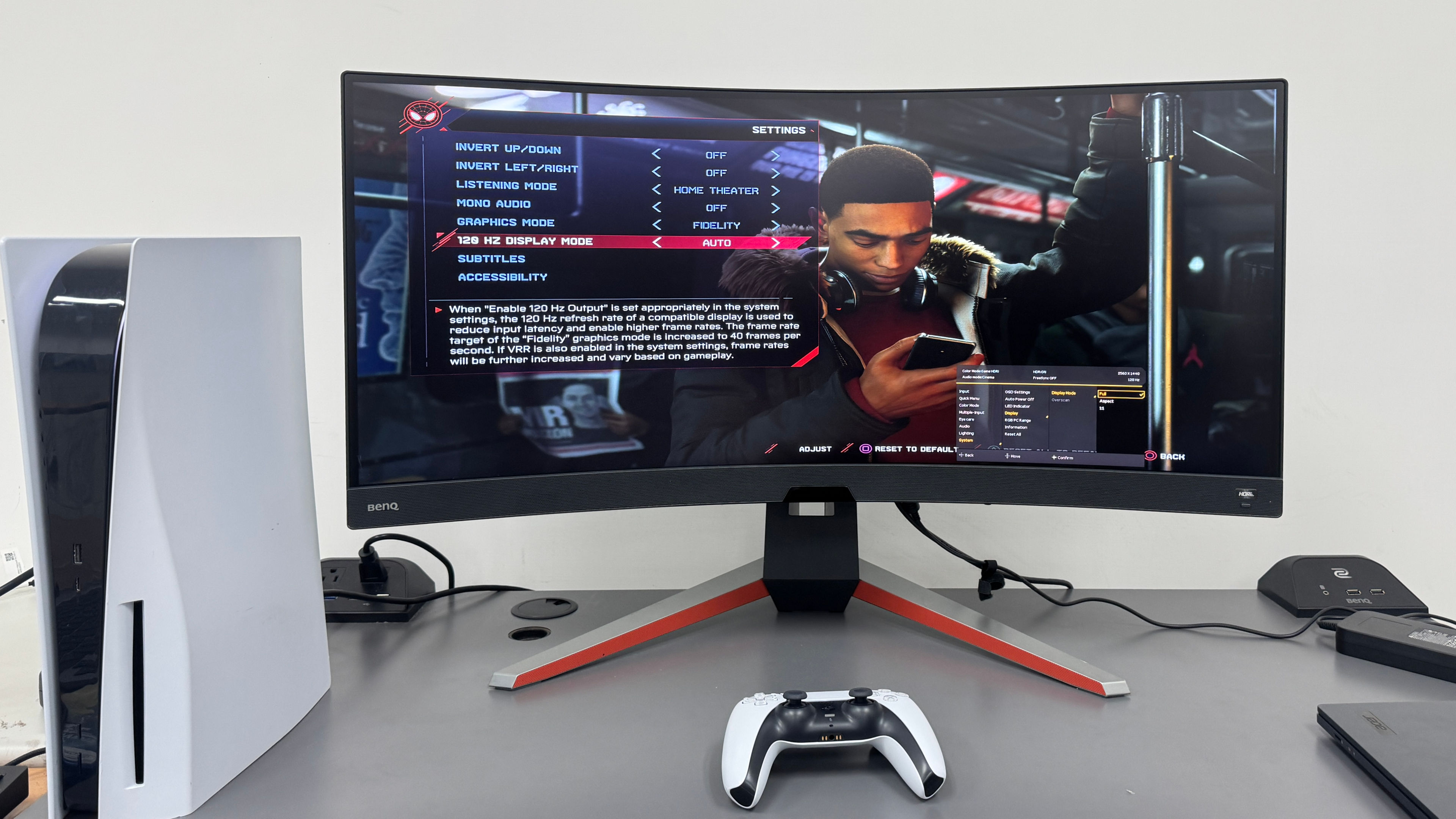
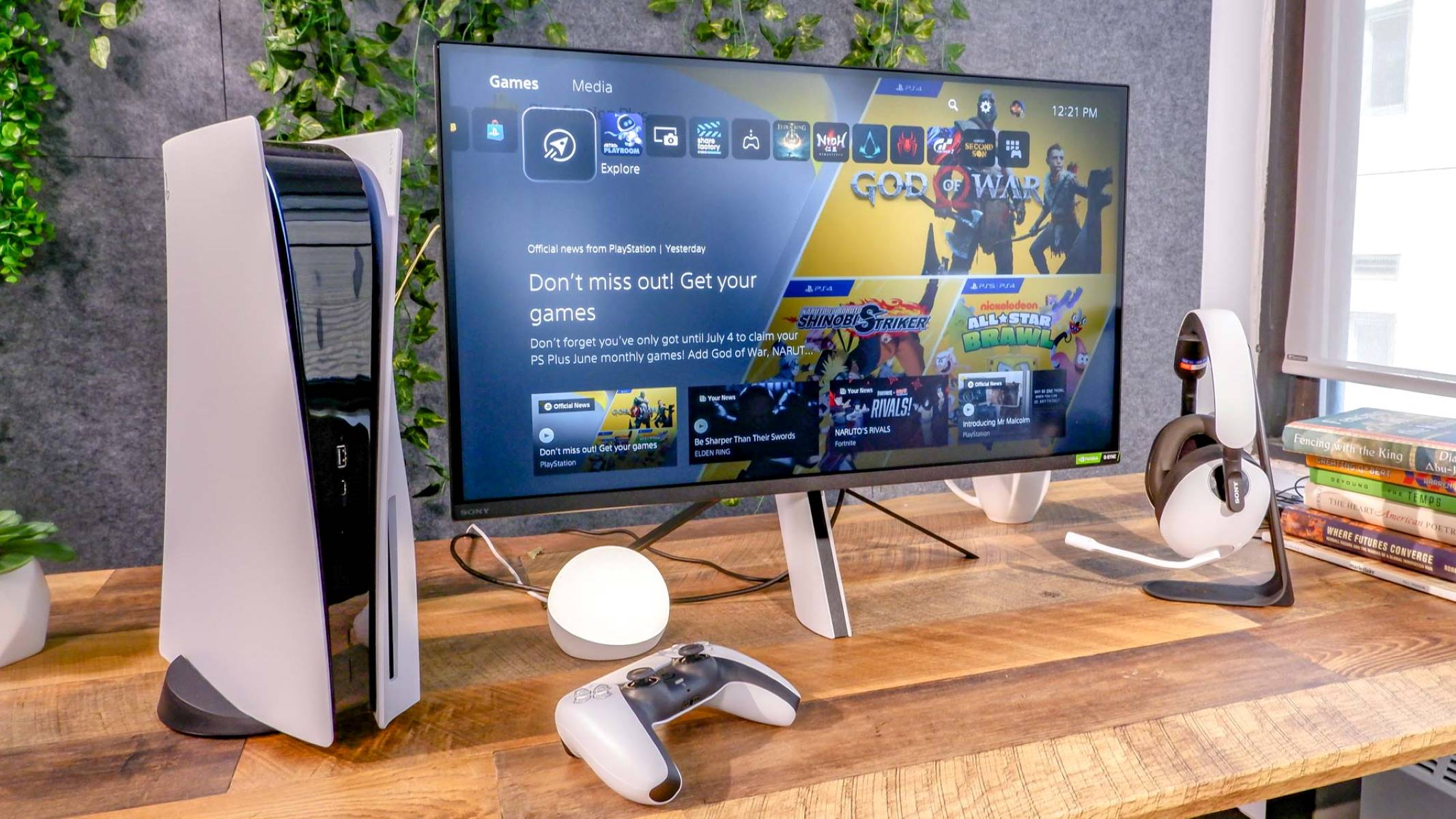


Yes You Can Use PS5 With An Ultrawide Monitor BenQ US PS5 On Ultrawide 1. How To Start PS5 In Safe Mode Robots Net How To Set Up A Ps5 1693158672 . Sony To Release 27 Inch PlayStation Branded Gaming Monitor In 2026 PlayStation Monitor . Best 4K Gaming Monitor For PS5 Stunning Visuals Best 4k Gaming Monitor For Ps5.webp. Best 4K Monitors For PS5 In 2026 Top Picks Only WhalesDev Monitor Ps5 Fortnite 2048x1536

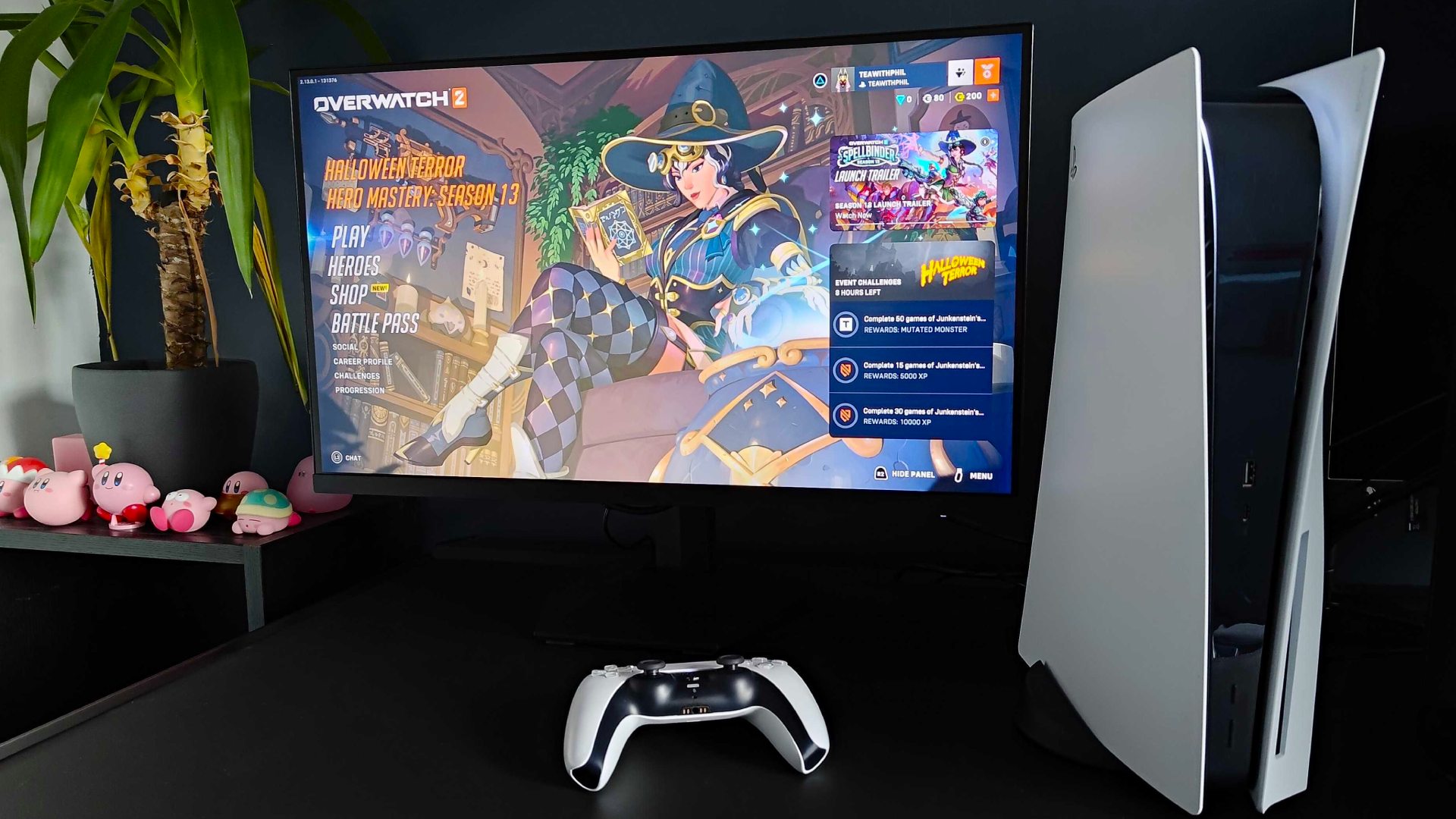

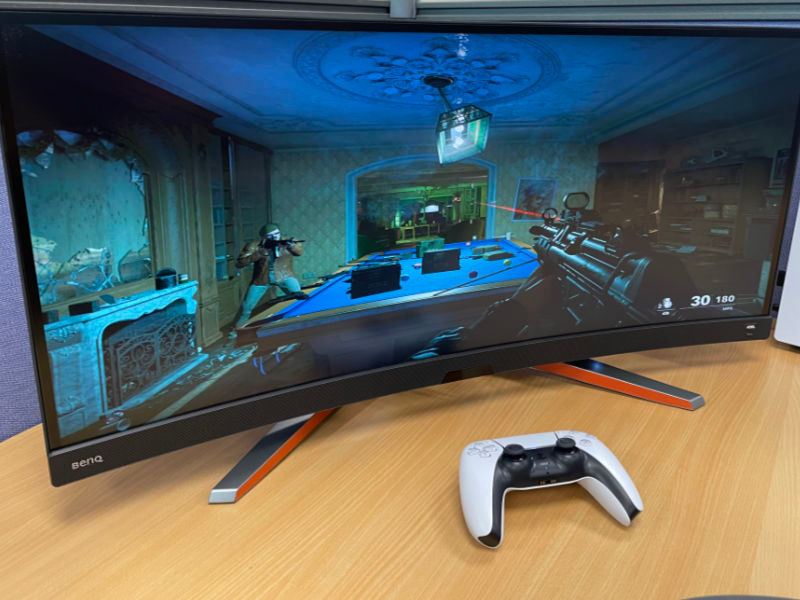
Best Gaming Monitor For PS5 Top Picks And Reviews Ps5 Compatible Gaming Monitors 1024x585 . Hear Me Out I Think You Should Consider A 1080p Monitor For Your PS5 . Best Monitors For PS5 Pro In 2026 New Budget Picks WhalesDev Ps5 Pro Monitor. Yes You Can Use PS5 With An Ultrawide Monitor BenQ US Ps5 On Ultrawide Monitor 06. Sony Enters The PS5 Gaming Monitor World With A 27 Screen That Charges Sony 27 Ps5 Gaming Monitor

TV Or Monitor For PS5 Which Is Best For Console Gaming In 2025 TV Or Monitor For PS5 1200x675 . 10 Best Gaming Monitors For PS5 And Xbox March 2026 Buying Guide Best Gaming Monitors For PS5 And Xbox . Best Gaming Monitors For PS5 PS5 Pro Top Picks 2026 XPPen Best Monitor For Ps5 . The Best Monitors For PS5 For 2026 TechRadar . PlayStation Is Releasing Its Own Gaming Monitor With Special PS5 Features Playstation Releasing Own Gaming Monitor With Special Ps5 Features Game Rant 1



12 Best Gaming Monitors For PS5 July 2026 Guide Best Gaming Monitors For PS5 300x167 . Speakers For Ps5 Monitor At Maria Couch Blog Ps5 156 Inch Ips 4k 60hz Portable Monitor Gaming D . Best Monitor For Ps5 Rtings At Nancy Jensen Blog . I Got The New PS5 Gaming Monitor YouTube . Sony Onthult PlayStation 27 Gaming Monitor Voor PS5 PlaySense Playstation Gaming
Best Curved Monitor For Ps5 Best Ps5 Gaming Monitor WITDX PS5 Monitors . Play Like Never Before The Best Monitors For The PS5 In 2024 The Best Ps5 Monitors . PlayStation Unveils 27 Inch Gaming Monitor Designed For PS5 Desktop HUB HERO PS5 Gaming Monitor Featured . 10 Best Gaming Monitors For PS5 July 2026 Tested For 4K 120Hz Best Gaming Monitors For PS5 300x164 . The Best Monitor For PS5 2024 High Spec Screens For The OG And Pro 1200 80



How To Use Curved Gaming Monitor With Ps5 For Best Performance How To Use Curved Gaming Monitor With Ps5 1759538637 1024x597 . 10 Best Gaming Monitors For PS5 2026 Expert Tested Displays Featured Image 8q9dqk6d 300x210 . Sony Announces PlayStation 27 Gaming Monitor Includes Built In Playstation Gaming Monitor . 10 Best Gaming Monitors For PS5 June 2026 Expert Reviews Best Gaming Monitors For PS5 1 . 11 Best Monitors For The PS5 In 2023 Techtouchy 11 Best Monitors For The PS5 In 2023 1 1536x864


Play Like Never Before The Best Monitors For The PS5 In 2024 AOC Gaming CQ27G2SE Monitor Whats The Best Chris Duffill 1 . PlayStation Brings PS5 To Your Desk With Its First 27 Inch Monitor. 10 Best Gaming Monitors For PS5 2026 Expert Tested Displays B0DHG1GTG2 Customer 2 6 . The Best Monitors For PS5 For 2025 TechRadar 1200 80 . PlayStation To Launch Official Gaming Monitor With Built In PS5 PlayStation To Launch Official Gaming Monitor With Built In PS5 Features