Ever wondered what happens after the credits roll or your character hits max level? For busy US gamers balancing work, family, and play, understanding "what does end game mean" is crucial for maximizing limited gaming time and finding lasting enjoyment. This comprehensive guide unpacks the concept of end game across various genres, from vast MMORPGs to captivating single-player adventures, revealing how developers keep players engaged long after the main story concludes. We'll explore the diverse activities, challenges, and social opportunities that define the post-campaign experience, helping you navigate the ever-evolving landscape of modern gaming. Discover how optimizing your end game approach can transform your hobby, offering continuous relaxation, skill development, and social connection without needing to constantly buy new titles or fall prey to hype. Dive in to learn how to find genuine value and sustained fun in your favorite virtual worlds, ensuring every gaming session is time well spent, whether you're a casual player or a dedicated strategist. This information will help you pinpoint which games truly offer long-term satisfaction.
What is End Game in a nutshell?
End Game refers to the activities available to players after completing a game's main story or primary progression. It's the content designed to keep players engaged long-term, offering new challenges, repeatable tasks, and social opportunities beyond the initial narrative. Think of it as the continuous play cycle that begins once you've "beaten" the main game.
Why is End Game important for adult gamers with limited time?
For busy adults, end game content is crucial because it maximizes the value of their gaming investment. Instead of constantly buying new games, a good end game provides sustained entertainment, relaxation, and skill development within a single title, making those precious gaming hours more fulfilling without endless new purchases. It ensures your time isn't wasted after just a few dozen hours.
How does End Game differ in MMORPGs versus single-player games?
In MMORPGs, end game typically involves reaching max level, participating in raids, dungeons, competitive PvP, and guild activities, often requiring significant social coordination. For single-player games, end game usually means New Game+, challenge modes, collecting all secrets, or tackling post-story DLC, allowing for continued personal mastery rather than group progression.
What are typical activities you'd find in a game's End Game?
Common end game activities include high-level raids and dungeons, competitive PvP ranked ladders, seasonal events with exclusive rewards, repeatable daily/weekly quests for resources or cosmetics, grinding for rare loot to optimize character builds, and challenging achievement hunts. Many games also offer social hubs or crafting systems that become more central in the end game.
Can a game have a bad End Game experience?
Yes, a game can definitely have a bad end game experience if it suffers from repetitive or unrewarding content, excessive grinding without meaningful progression, a lack of new updates, or poor balance that makes it feel unfair. This can lead to player burnout, frustration, and ultimately, players leaving the game even if they enjoyed the main story.
How can I avoid burnout during long End Game sessions?
To avoid burnout, vary your end game activities, take regular breaks, and don't feel pressured to complete everything immediately. Set realistic goals for your available time, focus on the activities you genuinely enjoy, and remember that gaming is for fun, not a second job. Joining a casual, understanding community can also help maintain enjoyment.
What's the future trend for End Game content in gaming?
Future trends point towards more personalized, procedurally generated end game content, increased cross-platform play, and tighter integration of narrative with live service updates. We'll likely see a greater emphasis on social, cooperative, and "cozy" end game options, alongside continued innovation in competitive formats, ensuring diverse long-term engagement for all player types.
You just beat the final boss. The credits roll, an epic soundtrack swells, and maybe a tear or two escapes. You did it! You finished the game. But then, a quiet thought creeps in: "...now what?" For many busy US gamers balancing demanding jobs, family commitments, and life's endless to-do list, that question can feel like hitting a wall. You've invested precious hours—an average of 10+ hours a week for 87% of regular gamers this month—only to feel a sense of completion, perhaps quickly followed by emptiness. This isn't just about finishing a story; it's about the bigger picture: what does end game mean for *your* gaming experience?
You're not alone. We all want our gaming time to be a source of relaxation, fun, and even skill-building, not just a fleeting escapade. The good news is, modern game design, influenced by trends like social gaming and live service models, has evolved dramatically. The "end game" isn't an afterthought anymore; it's often where the real adventure begins. It's the developers' answer to keeping you engaged, offering continuous challenges, social connections, and fresh content long after the main narrative concludes. Whether you're a veteran seeking new raids, a casual player looking for cozy post-story activities, or someone trying to make smart decisions about game purchases, understanding the end game is your key to maximizing fun and value. Let's dive deep into what end game truly means and how you can master it for a more fulfilling gaming life.
What Exactly Does End Game Mean in Gaming?
In simple terms, "end game" refers to the activities, content, and objectives available to players after they have completed the primary story, main campaign, or achieved maximum character progression in a video game. It's the phase where the initial linear progression often gives way to open-ended, repeatable, or highly challenging content designed to keep players engaged for extended periods. Think of it as graduating from the main curriculum and moving into advanced studies, where the challenges are tougher, the rewards are often more cosmetic or prestige-based, and the social aspects might intensify.
This concept is particularly prevalent in genres like Massively Multiplayer Online Role-Playing Games (MMORPGs) where the journey to max level is just the tutorial for a vast world of raiding, competitive PvP, crafting, and community building. However, its influence has spread, with single-player games now often incorporating robust "post-game" content, New Game+, or endless challenge modes. It’s about providing a reason to keep playing even when the main narrative has concluded, catering to that desire for ongoing fun and achievement without constantly buying new titles.
Why Is End Game Crucial for Modern Games and Gamers?
The importance of end game in 2026 can't be overstated, both for game developers and for us, the players. For developers, a strong end game is critical for player retention and the long-term success of their titles, especially with the prevalence of live service models, in-game purchases, and battle passes. Games that offer compelling end game content often see higher player engagement, better word-of-mouth, and a more dedicated community. This directly translates to sustained revenue and brand loyalty, which are vital in today's competitive market.
For gamers, especially those balancing life and gaming, a well-designed end game offers immense value. It means you can invest in a game knowing that your experience won't simply evaporate after 20-30 hours. Instead, you get a continuous stream of new challenges, opportunities to socialize, and avenues for skill mastery. This can save you money by extending the life of your purchases, provide consistent stress relief through familiar yet challenging gameplay loops, and foster lasting online friendships. With social gaming on the rise (a major trend this month), the end game is often where the most meaningful player interactions and community building happen, whether it's coordinating a raid on Discord or strategizing in a competitive match.
How Does End Game Differ Across Game Genres?
The definition and implementation of end game vary wildly depending on the game genre. Understanding these differences helps you identify which games align best with your preferred post-story activities:
- MMORPGs (e.g., World of Warcraft, Final Fantasy XIV): This is perhaps where the term "end game" originated. Here, it's about hitting max level, gearing up through raids and dungeons, engaging in competitive PvP, deep crafting systems, housing, and social activities. The progression becomes horizontal (diversifying activities) rather than purely vertical (leveling up).
- Action RPGs (e.g., Diablo IV, Path of Exile): End game often involves grinding for better loot, perfecting character builds, tackling increasingly difficult tiered dungeons (like Nightmare Dungeons or Maps), and participating in seasonal content. The focus is on optimization and powerful item acquisition.
- Competitive Multiplayer Games (e.g., Valorant, Apex Legends, League of Legends): These games are almost *entirely* end game. The core loop is continuous competition, skill improvement, ranking up, unlocking cosmetics, and participating in seasonal events. The "story" is the ongoing competitive meta.
- Single-Player Games (e.g., The Witcher 3, Cyberpunk 2077, God of War): While traditionally lacking a true "end game," many now include robust post-game content like New Game+ (replaying the story with all your upgrades), secret bosses, extensive side quests, collectible hunts, challenge modes, or procedural content. This offers a way to extend the narrative and mastery.
- Survival/Crafting Games (e.g., Valheim, Minecraft): The end game is often open-ended survival, base building, exploration of new biomes, defeating all major bosses, or establishing a thriving community. It's about setting your own goals within a persistent world.
What Are Common Types of End Game Activities?
End game content manifests in numerous forms, catering to different player preferences:
- Raids & Dungeons: Highly coordinated group challenges requiring teamwork and strategy, common in MMORPGs and some co-op games.
- Competitive PvP (Player vs. Player): Ranking up in ladders, battling other players, and proving skill in various game modes. Esports viewing, a growing trend, is often centered around high-level competitive play.
- Seasonal Content & Battle Passes: Time-limited events, new story arcs, cosmetic rewards, and progression tracks that refresh every few months. This keeps the game feeling fresh and offers new goals.
- Grinding for Gear & Resources: Repeatedly completing content to acquire rare items, materials, or currency to improve your character or base.
- Achievements & Collectibles: Completing every in-game challenge, finding every hidden item, or unlocking every cosmetic.
- Crafting & Housing: Deep systems for creating powerful items, customizing player homes, or contributing to a guild/clan infrastructure.
- New Game+: Replaying the main story with all your previously acquired skills and gear, often with increased difficulty or new secrets.
- Procedural Content/Endless Modes: Content that generates new challenges indefinitely, like roguelike elements or survival modes, ensuring infinite replayability.
How Do Busy Gamers Tackle End Game Content?
For adult gamers with limited time, approaching end game effectively is key. You can't always commit to marathon sessions, but you can still enjoy deep progression:
- Prioritize & Focus: Don't try to do everything. Identify the specific end game activities that bring you the most joy—whether it's competitive PvP, casual crafting, or story-driven seasonal quests.
- Join a Guild or Community: Social gaming is a powerful time-saver. Being part of a guild or Discord server means you have built-in groups for dungeons, raids, or just quick co-op sessions, eliminating time spent looking for players.
- Utilize Short Play Sessions: Many end game activities are designed to be broken into smaller chunks. Focus on daily quests, quick competitive matches, or a single dungeon run if that's all the time you have. Mobile gaming, a dominant force this month, excels at this with bite-sized, engaging loops.
- Leverage Quality-of-Life Features: Don't shy away from in-game quality-of-life purchases (like extra storage or fast travel options if they save you real time, *not* pay-to-win items). If a game offers budget-friendly shortcuts that respect your time, consider them.
- Watch Streamers & Guides: To stay current without committing hours, watch your favorite creators or streamers play the latest end game content. This keeps you in the loop on new meta strategies or upcoming updates without having to grind yourself.
- Balance & Breaks: Remember that gaming is meant for relaxation. If end game feels like a chore, take a break. There's no shame in returning to a game after a few weeks or months; many live service games are designed for returning players.
Is End Game Just for Hardcore Players?
Absolutely not! While the most challenging end game content (like mythic raids or top-tier competitive ladders) often caters to hardcore players who dedicate significant time to mastering every mechanic, the concept of end game has broadened considerably. Developers are increasingly recognizing the diverse player base, including busy adults who want to enjoy games without extreme pressure.
Many games now offer scalable end game experiences. You can find "casual" end game activities such as collecting cosmetics, completing easier daily quests, engaging in social hubs, or exploring new zones at your own pace. Cozy games, a trending genre, often have a very relaxed "end game" centered around continued crafting, farming, and community interaction without high-stakes combat. So, whether you're looking for intense competition or just a relaxing continuation of your favorite virtual world, there's likely an end game experience for you.
When Does a Game's End Game Truly Begin?
This is often a point of debate, as it's not always a hard line. Generally, a game's end game begins when:
- The Main Story is Completed: In most narrative-driven games, this is the clearest marker.
- Maximum Level is Reached: For RPGs, hitting the level cap signifies the transition from leveling progression to post-level progression.
- All Primary Campaign Objectives are Met: Even without a traditional "level cap," once major objectives are cleared, what remains is end game.
- Access to High-Tier Content Unlocks: When raids, specific dungeons, or advanced competitive modes become available.
Sometimes, the journey *to* the end game feels like a tutorial for the real challenge. Savvy gamers often research a game's end game before buying, especially if they're looking for long-term engagement, to ensure the post-story content aligns with their interests. This is particularly true for live service games where the initial campaign is just a primer for the evolving world.
How Can You Optimize Your End Game Experience?
Optimizing your end game experience means aligning it with your personal gaming goals and available time. Here are a few tips:
- Research Before You Buy: Look up reviews or watch gameplay videos focusing on a game's end game before committing. Does it look fun? Does it fit your schedule?
- Join the Right Community: Find a guild, clan, or Discord server that matches your playstyle and availability. If you can only play an hour a night, find a group that understands that.
- Budget Your Upgrades Smartly: If hardware upgrades are needed for better performance in demanding end game content, prioritize those that offer the best bang for your buck (e.g., a good GPU often before an expensive CPU for gaming).
- Don't Burn Out: It's easy to get caught up in the grind. Set personal limits. If a game starts to feel like a second job, step away. There are always other great games or activities to enjoy.
- Experiment with Builds/Strategies: End game often encourages deep dives into character customization and strategy. Don't be afraid to respec or try new approaches to keep things fresh.
What's the Future of End Game in Gaming?
The future of end game is dynamic and exciting, driven by technological advancements and evolving player expectations. We're seeing more:
- Procedural Generation & AI Integration: AI-powered content generation could create truly endless, unique challenges, ensuring no two end game experiences are identical.
- Cross-Play & Cross-Progression: Seamless play across mobile, PC, and console further consolidates communities, making it easier for friends to engage in end game together regardless of platform.
- User-Generated Content (UGC): Games with robust modding tools or in-game creation suites allow players to become content creators themselves, providing an infinite source of new activities.
- Narrative-Driven Live Services: Instead of just repeatable tasks, more games are weaving ongoing stories into their seasonal end game content, blurring the lines between campaign and post-game.
- Emphasis on Social & "Cozy" End Games: Beyond high-stakes competition, developers are increasingly offering relaxed, social, and creative end game options, catering to a broader audience looking for stress relief and connection.
The end game will continue to be a core pillar of game design, ensuring our beloved virtual worlds remain vibrant and engaging for years to come.
So, what does end game mean? It means the adventure doesn't stop when the credits roll. It means continuous fun, new challenges, and deeper connections within your favorite virtual worlds. It means getting more value out of your gaming investment and finding consistent relaxation in a busy life. Don't let the idea of "finishing" a game stop you from exploring its true potential. Dive into the end game and discover a whole new layer of excitement and community.
What's your biggest gaming challenge when it comes to long-term engagement? Comment below!
FAQ Section
Q: Can single-player games truly have an end game? A: Yes, many modern single-player titles offer extensive post-game content like New Game+, secret bosses, challenge modes, or completionist tasks (collecting every item, unlocking every achievement) that extend playtime significantly after the main story.
Q: How do microtransactions fit into the end game experience? A: Microtransactions often offer cosmetic items, convenience features (like extra storage or experience boosts), or seasonal battle passes that provide additional goals and rewards for end game players. Reputable games typically avoid pay-to-win items that gate core end game content.
Q: What if I don't enjoy the end game of a particular title? A: That's perfectly fine! Not every game's end game will appeal to everyone. If you've enjoyed the main story and the end game isn't clicking, it's okay to move on. There are countless other games out there, and your gaming time is valuable.
Q: Is end game content always harder than the main story? A: Often, yes, especially in RPGs and action games, as end game content is designed to challenge optimized characters and veteran players. However, many games also offer accessible or casual end game activities that don't require extreme difficulty or perfect skill.
What are the best types of games for end game content?
Generally, MMORPGs, Action RPGs like Diablo, and live service competitive multiplayer games (e.g., Destiny 2, Apex Legends) are known for their robust end game offerings. They are built around continuous updates, social interaction, and long-term progression systems.
How do I find a community for end game activities?
Look for official game forums, dedicated subreddits, or Discord servers. Many games have in-game guild/clan finders. Streamers often have communities you can join, and simply being active in public game chats can lead to connections. Be clear about your playstyle and availability.
What are some common pitfalls of end game grinding?
Burnout is a major pitfall. Excessive grinding can make a fun activity feel like a chore. Other issues include repetitive content, a lack of meaningful rewards, or feeling pressured to keep up with the "meta." It's important to vary your activities and take breaks to maintain enjoyment.
Does "end game" apply to mobile games too?
Absolutely. Many mobile games, especially gacha, strategy, and online RPGs, feature extensive end game content like daily quests, seasonal events, competitive ladders, guild activities, and continuous character progression designed to keep players engaged over months or years.
How can I balance end game content with real-life commitments?
Prioritize specific activities that bring you joy. Join flexible guilds. Utilize short play sessions for daily tasks. Don't feel pressured to complete everything. Remember that gaming should be a source of relaxation, not another demanding obligation. Strategic breaks are essential.
Are all end game activities paid content?
No, not all end game activities are paid. Many games offer substantial free end game content, including raids, dungeons, new questlines, and seasonal events. However, live service games often offer optional battle passes, expansions, or cosmetic microtransactions that can enhance or extend the end game experience. Always check what's included in the base game.
Why is loot often a big part of the end game?
Loot provides a tangible reward for challenging content and fuels the progression loop. Acquiring rarer, more powerful, or visually distinct items gives players a sense of achievement, allows them to optimize their characters, and provides a continuous incentive to tackle harder challenges in the end game.
End game defines post-story activities in games, offering sustained engagement, skill development, and social opportunities. It varies significantly by genre, from MMO raids to single-player challenge modes, and is crucial for game longevity and player retention. Understanding end game helps busy gamers optimize their time, find lasting value, and enjoy continuous content without constant new purchases. It highlights the importance of consistent updates and community features in modern titles.
35


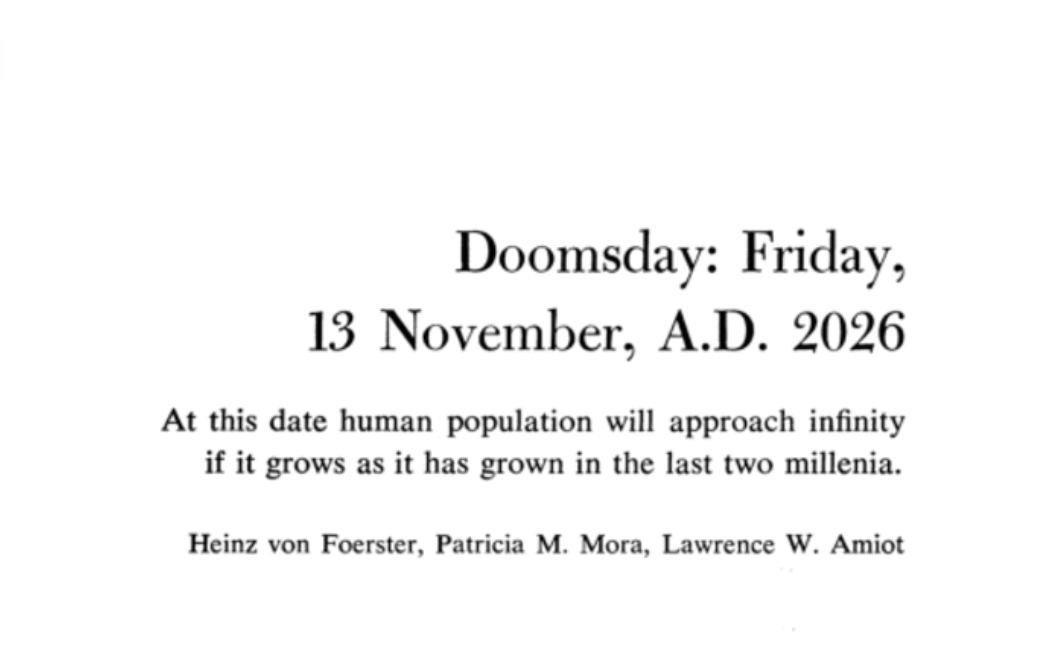
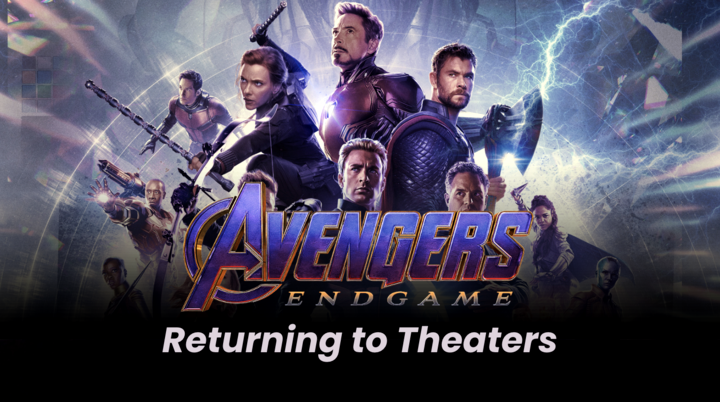
Avengers Endgame Title Explained What Does Endgame Mean. The End Of Endgame Explained 28063000 678b 11e9 8da7. Avengers Endgame Gets 2026 Rerelease Before Avengers Doomday MCDAVEN EC198 . Marvel Plans 2026 Avengers Endgame Re Release Before Doomsday Arrives. What People Are Getting Wrong This Week Is The World Ending In 2026


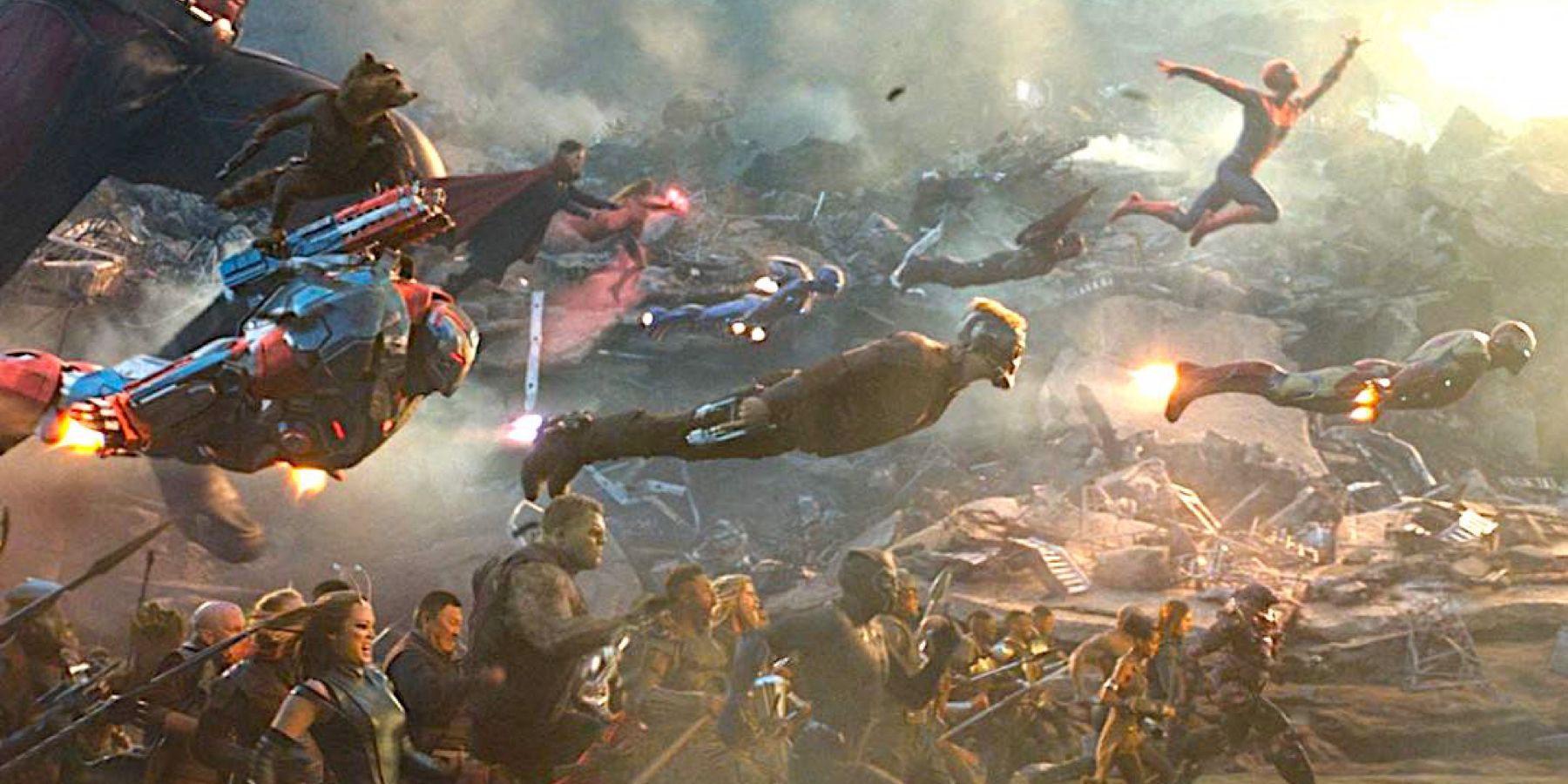
Marvel Officially Ends Its Ultimate Universe In 2026 Nerdist Ultimate Endgame Cover . Avengers Endgame Is Returning To Theaters Before Doomsday Avengers Endgame 672x448 . What Avengers Endgame S Climax Means For MCU S Future Hollywood News Avengers Endgame 759 25 . What Footage Could Possibly Be Added To Endgame To Make It Critical Cap Endgame . We May Or May Not Survive The Russo Brothers Have A Busy Schedule Avengers Endgame Final Battle All Heroes


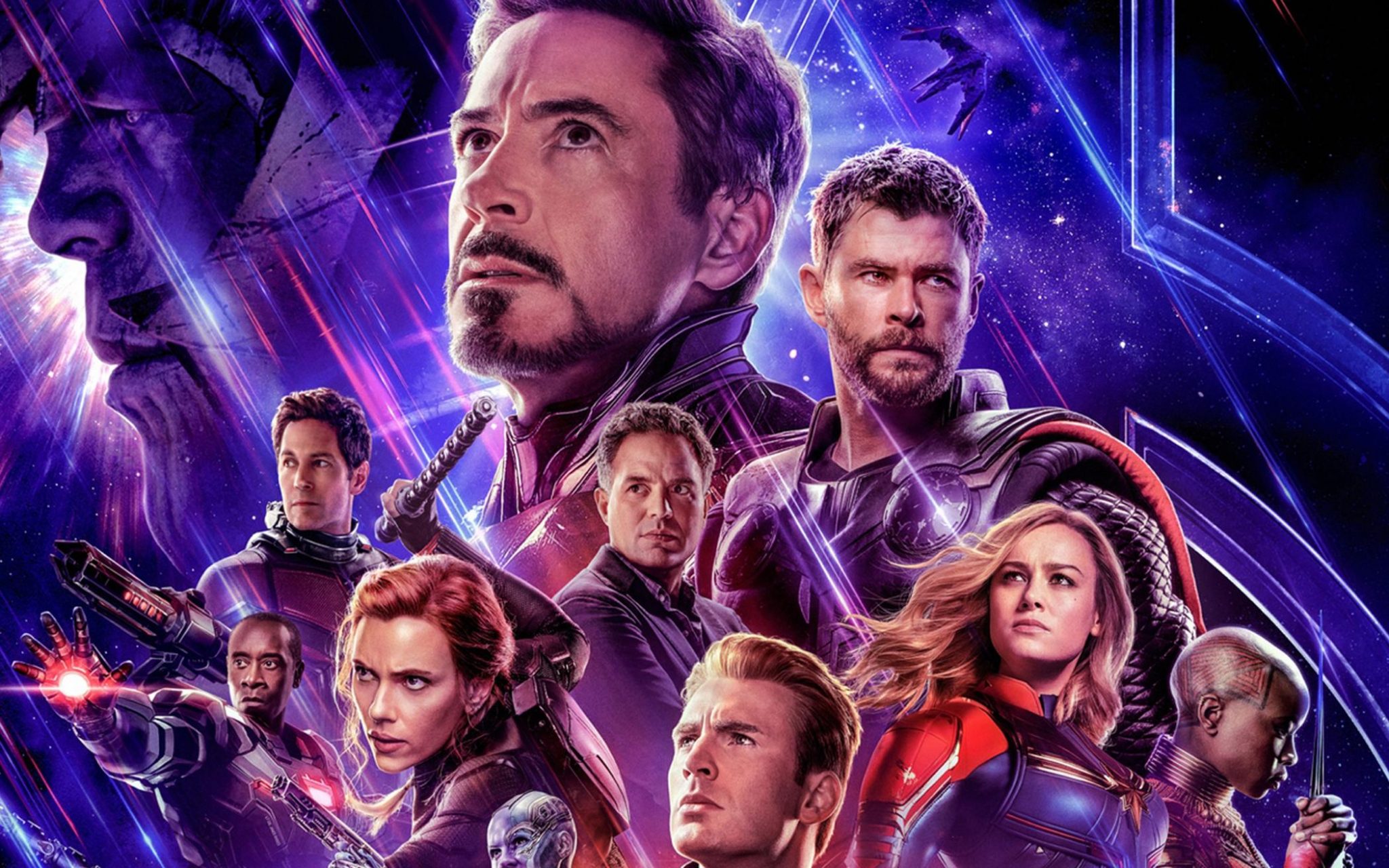
Avengers Endgame Is Returning To Theaters September 2026 Avengers Endgame Feature Image . AVENGERS ENDGAME Theatrical Return In September 2026 Fantasy Land News AVENGERS ENDGAME Returning To Theaters September 2026 . Marvel Studios Avengers Endgame Returns To Theaters In 2026 Marvel Card . Ritz Raygon Media. What Does Endgame Mean In A My Projects MM 037 Avengers Endgame 2048x1280

HUGE AVENGERS ENDGAME SPOILER REVEALED What Does This Mean YouTube . Marvel Studios Avengers Endgame Returns To Theaters In 2026 W1920 H1080 . Marvel Confirms Second Avengers Movie Releasing In 2026 Before Endgame Final Three 800x400 . Avengers Endgame De Retour Au Cin Ma Pour Lancer Doomsday Avec De Image Avengers . Hollywood Minute Avengers Endgame To Return To Theaters In 2026 CNN Avengers Endgame



Joe Russo Calls Avengers Endgame Theatrical Re Release Critically Avengers. Avengers Endgame 2026 Re Release Reason Crawler. Fed To Re Propose Basel III Endgame Rule In 2026 Basel Iii Endgame Revision 2026 . Endgame YouTube . PPT ENDGAME PowerPoint Free Download ID 4398611 Endgame7 L

 (Digital) (Shan-Empire)-003.jpg)

Marvel Confirms Second Avengers Movie Releasing In 2026 Before Thanos Endgame 800x400 . Marvel Studios Avengers Doomsday 2026 Trailer MARVEL 1741738220 . 2 2026 Read All Comics Online Ultimate Endgame 002 (2026) (Digital) (Shan Empire) 003 . What Does Endgame Mean In A My Projects . Marvel Studios Avengers Endgame Returns To Theaters In 2026 Marvel Avengers Doomsday Card3


31 Of The Biggest And Coolest 2026 Games We Can T Wait To Play Hqdefault . Ultimate Endgame 2025 2026 5 Of 5 EBook Camp Deniz Brooks SL1500 . DC Avengers Endgame Is Headed BACK To Theaters On September 25 2026 Media. When Does Lent 2026 Start Key Dates What It Means Tradition ChatGPT Image Feb 14 2026 01 23 12 PM . Avengers Endgame Returning To Theatres Fall 2026 W720